Essential Adult Hockey Gear - Complete Equipment Guide
January 27, 2026
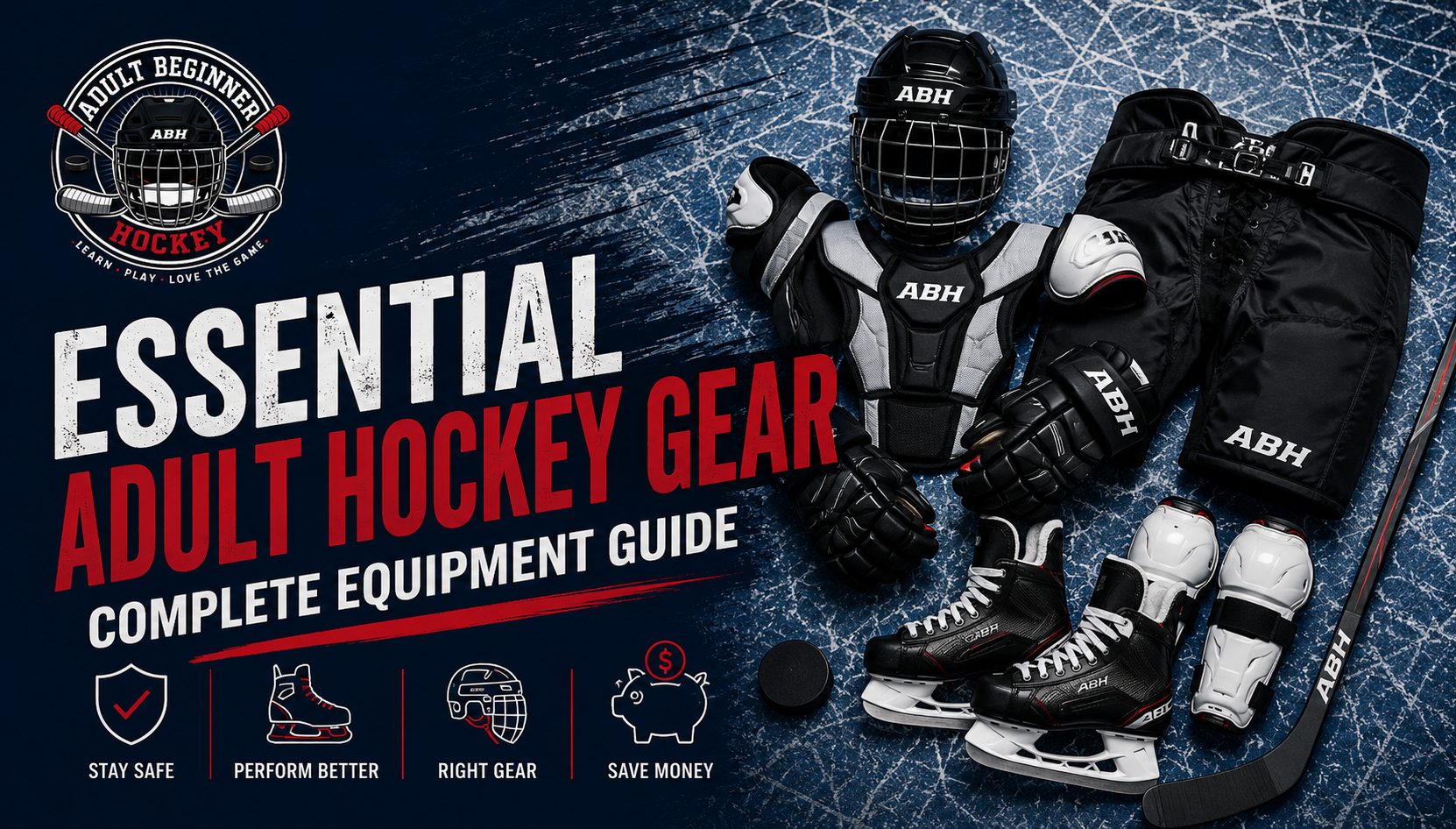
Everything you need to know about the gear that keeps you safe and performing your best on the ice — what to buy, how it should fit, and what actually matters.
The Absolute Essentials
Before you step on the ice for your first league game, you need a complete set of protective equipment. Here's the full list:
Required Equipment: - Ice hockey skates - Helmet with full cage or visor - Hockey gloves - Hockey stick - Athletic supporter (jock or jill) - Shin guards - Elbow pads - Shoulder pads - Hockey pants (breezers) - Hockey socks - Mouthguard (highly recommended)
For Practice Only:
Most stick-and-puck sessions only require skates, a helmet with cage, gloves, and a stick. This minimal setup lets you practice stickhandling and skating before investing in full protective gear — and I'd recommend starting here before buying everything.
What the Whole Kit Actually Costs
You didn't come here to read nine sections before finding out the number, so here it is. A complete set of new adult gear runs about $580, and this is the specific kit I'd buy if I were starting over tomorrow.
| Piece | What I'd buy | Price | Buy |
|---|---|---|---|
| Skates | True Catalyst 3X4 | $149.97 | Check Price → |
| Helmet + cage | CCM Tacks 70 w/Cage | $74.99 | Check Price → |
| Gloves | Bauer Vapor 3X Pro | $83.97 | Check Price → |
| Stick | True Hzrdus FuryX4 | $64.97 | Check Price → |
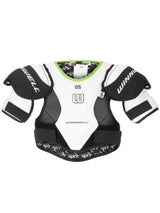
| Shoulder pads | Winnwell Q5 | $59.99 | Check Price → |
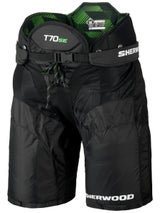
| Hockey pants | Sherwood T70 SE | $59.99 | Check Price → |
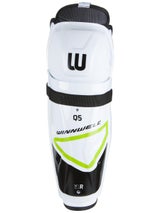
| Shin guards | Winnwell Q5 | $49.99 | Check Price → |
| Elbow pads | Winnwell Q5 | $34.99 | Check Price → |
| Stick tape | Renfrew White, 1.5" | $2.97 | Check Price → |
| ≈ $582 |
Three honest notes on that number.
It isn't the true total. A jock, socks and a mouthguard add roughly $50, and none of them are worth linking — buy them at whatever shop is nearest. A bag is another $60. Call it $690 all-in, and budget accordingly rather than being surprised at checkout.
The protective gear is deliberately boring. Winnwell isn't a name anyone brags about, and that's the point — in a beer league you are falling over and bumping into boards, not blocking slapshots. A $60 shoulder pad does that job exactly as well as a $200 one. The money belongs in your skates, which are the only piece that changes how you actually play.
Don't buy it all at once. Start with skates, helmet, gloves and a stick, go to a few stick-and-puck sessions, and see if you even like this before you spend the other $200. I'd rather you own four things you use than nine things in a bag in the garage.
Hockey Skates — Your Most Important Investment
Skates are where you should focus your budget. Poor-fitting or low-quality skates make learning to play hockey significantly harder and can cause pain, blisters, and serious frustration. Don't cheap out here.
Understanding Skate Construction
Boot Materials: - Entry-level skates use composite or nylon materials — heavier but durable - Mid-range skates use lighter composite with better heat molding capabilities - High-end skates use carbon fiber and advanced composites for minimal weight
Key Components: - Boot: Provides ankle support and protection - Blade holder: Connects the blade to the boot - Steel blade: The actual skating surface (replaceable) - Tongue: Protects your foot from laces and provides comfort - Liner: Interior padding that molds to your foot
Sizing and Fit
This is critical, so pay attention.
- Skates are NOT the same size as your shoes. Most people wear skates 1-2 sizes smaller than their regular shoe size.
- Skates should fit snug. Your heel should not lift when you bend your knees.
- Toes should barely brush the toe cap when standing straight — they should pull back slightly when you bend your knees.
- Width matters. Brands offer different widths. Bauer has narrow, regular, and wide. CCM has regular, wide, and extra wide.
The Fitting Process:
- Measure your feet at a hockey shop using a Brannock device
- Try on multiple brands — each fits differently
- Wear the same socks you'll play in (thin hockey socks)
- Stand in the skates for several minutes
- Bend your knees deeply — the boot should flex with you
- Walk around with blade guards to check for pressure points
Heat Molding:
Most modern skates can be heat molded to your feet for a custom fit. The process heats the boot material to make it pliable, molds it to your exact foot shape as it cools, and eliminates pressure points. It usually costs $20-40 at a hockey shop.
Don't skip heat molding if your skates support it. It makes a massive difference in comfort.
Skate Brands and Models
Bauer is the most popular brand. CCM is second most popular. TRUE/VH makes premium custom and semi-custom skates.
| Brand | Line | Fit |
|---|---|---|
| Bauer | Vapor | Narrow, low-volume fit for quick movements |
| Bauer | Supreme | Medium fit, balanced performance |
| Bauer | Nexus | Wide, high-volume fit for maximum comfort |
| CCM | Jetspeed | Tapered fit, forward flex |
| CCM | Ribcor | Flexible boot, close-to-foot feel |
| CCM | Tacks | Classic fit, maximum stability |
Price Ranges and What You Get:
| Tier | Price | What you get | Best for |
|---|---|---|---|
| Entry-level | $150–250 | Heavier materials, basic blade steel, less responsive | Beginners on a budget |
| Mid-range | $250–500 | Lighter composite materials, better blade steel, heat moldable, improved power transfer | Most adult players |
| High-end | $500–1,000+ | Premium carbon fiber, top-tier steel, maximum weight reduction, pro-level features | Experienced or serious players |
For most adult beginners, a mid-range skate in the $250-400 range offers the best value — comfortable enough to learn in and good enough to grow into.
Skate Maintenance
Sharpening — Required every 10-20 hours of ice time. Costs $8-15 per sharpening. Different "hollow" depths work for different playing styles. This affects how your skates grip the ice.
Skate Guards — Use rubber guards when walking off-ice. They prevent dulling the blade and protect locker room floors. Important: store skates WITHOUT guards to prevent rust.
Drying — Always air dry after use. Remove insoles if possible and use skate drying racks or terry cloth blade covers. Never leave wet skates in your bag.
Protective Equipment
Helmet with Cage/Visor
Your helmet is non-negotiable on safety. Most adult leagues require full cage protection.
What to look for: CSA, HECC, or CE certification (check your league requirements), tool-less adjustment systems, multiple foam comfort pads, and good ventilation.
Fitting Your Helmet: 1. Should sit level on your head — not tilted back 2. Snug without pressure points 3. Minimal movement when you shake your head 4. Forehead pad should touch your forehead 5. Cage should be 1-2 finger widths from your nose
Cage vs. Visor: - Full cage: Maximum protection, required in most beer leagues, can obstruct vision slightly - Half visor: Better vision, less face protection, some leagues allow it - Full visor: Good vision and protection, expensive, can fog up
Replace helmets every 5-7 years or after any significant impact. The foam and shell degrade over time.
Budget: $60-150 for most adult players.
Hockey Gloves
Gloves protect your hands while allowing stick control and dexterity.
Key Features: Synthetic palms for grip and durability, plastic backhand inserts for puck impact protection, cuffs that extend over wrists, and segmented fingers for flexibility.
Fitting: - Put your stick in your glove and grip it — should feel natural - Cuff should overlap with elbow pads - No gaps between glove and sleeve - Fingers should reach the end without being cramped
Budget: $40-150. Entry-level gloves work fine for beginners, and used gloves can be a great value.
Shin Guards
Protect your shins, knees, and lower legs from pucks and sticks.
Sizing is measured by length in inches (13", 14", 15", etc.). Measure from the center of your kneecap to the top of your skate. They should overlap with your hockey pants, and your kneecap should sit in the protective cup.
Styles: - Traditional: More protective, bulkier - Tapered: Slimmer profile, less bulk - Recreational: Lighter, less protection but adequate for beginner leagues
Fitting Tips: Knee should align with the knee cup. Straps should be snug but not cutting off circulation. They should stay in place when you bend your knees, and the bottom should sit on the tongue of your skate.
Budget: $40-150. This is a great category to buy used. Mid-range offers good protection without breaking the bank.
Elbow Pads
Protect your elbows and forearms from falls and impacts.
Sizing is measured in inches or S/M/L/XL. Measure from the bottom of your bicep to 2-3" below your elbow. They should overlap with both your gloves and shoulder pads.
Fitting: Elbow sits in the protective cap, straps secure but not too tight, full range of motion, and no gaps when you extend your arms.
Budget: $30-100. Another good used gear option. Entry to mid-level is fine for most players.
Shoulder Pads
Protect your chest, back, shoulders, ribs, and sometimes biceps and spine.
Styles:
Traditional/Classic — Maximum coverage and protection. Heavier and bulkier. Better for players who block shots or play physical.
Hybrid — Balance of protection and mobility. Most popular for recreational players.
Elite/Minimal — Lighter and more mobile but less protection. Better for skilled players who avoid contact.
Fitting: Shoulder caps sit on your shoulders, sternum pad centered on your chest, spine pad down your back. Should not restrict arm movement. Bicep coverage should overlap with elbow pads.
Budget: $50-200. Safe to buy used in good condition. Beginners can use entry-level pads.
Hockey Pants (Breezers)
Protect your hips, thighs, tailbone, and kidneys.
Features: Hip pads, thigh guards, tailbone and spine protection, kidney pads, and an adjustable belt system.
Sizing is based on waist and length:
| Size | Waist |
|---|---|
| Small | 28–30" |
| Medium | 30–34" |
| Large | 34–38" |
| XL | 38–42" |
Fitting: Should sit at your natural waist, cover the top of shin guards with overlap, feel comfortable in skating position, and let you move freely.
Length matters. Pants that are too short expose the gap between shins and pants — a common spot for puck impacts. Make sure there's adequate overlap.
Budget: $60-200. Excellent used gear option. Mid-range offers good protection and comfort.
Athletic Supporter (Jock/Jill)
Critical protection. Don't skip this.
Jock Short Style — Compression shorts with a protective cup pocket. Most popular and comfortable. Easy to put on and wash.
Traditional Jock Strap — Belt-style with cup pocket. Old-school, less common now.
Jill for Women — Pelvic protection designed for female anatomy, similar compression short style.
Budget: $20-60. Always buy new for hygiene. Shock Doctor and Nutty Buddy are solid brands.
Hockey Sticks
Your stick is your primary tool for handling, passing, and shooting the puck.
Stick Components
Blade — The curve (affects shot type and handling), the lie (angle between blade and shaft), and the length.
Shaft — The flex (how much it bends), the kick point (where it flexes — low, mid, or high), and the material (composite or wood).
Choosing the Right Stick
Flex Rating:
General rule — your flex should be about half your body weight:
| Player weight | Flex |
|---|---|
| 150 lb | 75 |
| 180 lb | 85–90 |
| 200+ lb | 95–100+ |
Beginners should consider going slightly lower (more flexible) to help learn proper shooting technique.
Blade Curve:
Mild curve (P28, P92 equivalents): Easier puck control, better for backhand shots. Recommended for beginners.
Mid curve: Balance of control and shot power. Versatile for all shot types and a good all-around option.
Deep curve: Maximum shot lift but harder to control for beginners. Better for experienced players.
Length:
Standing in shoes, the stick should reach between your chin and nose. Shorter means better stickhandling, longer means better reach and poke checking. Standing in skates, it should reach between your chin and the bottom of your nose. You can cut a stick down but you can't extend it.
Stick Materials
Composite (Carbon Fiber): Lighter weight, better feel and puck control, more expensive ($50-300), can break more easily. Available in one-piece or two-piece construction.
Wood: Heavier, generally more durable, less expensive ($20-60), less consistent performance, traditional feel.
For beginners, a mid-range composite stick in the $80-120 range offers good value. Avoid the absolute cheapest sticks, but don't splurge on pro-level sticks until you know what you prefer.
Handedness
Right-handed shooter — right hand on bottom, left hand on top, shoots from the right side.
Left-handed shooter — left hand on bottom, right hand on top, shoots from the left side.
How to choose: Go with whichever feels natural when you swing a broom or baseball bat. About 60% of players are left-handed shooters.
Additional Gear and Accessories
Hockey Socks
Long socks that cover shin guards and reach mid-thigh. Held up by Velcro tabs on hockey pants or a garter belt. Team colors if applicable. $10-30 per pair.
Base Layers
Worn under all equipment for moisture wicking and comfort. You'll want compression shorts, an athletic shirt or compression top, and moisture-wicking materials — not cotton. $30-80 for a set.
Hockey Bag
Wheeled bags: Easier to transport, more expensive ($80-150). Standard duffel: Lighter and cheaper ($40-80). Tower bags: Stand upright, good organization ($100-200).
32"-36" bags work for most adult players.
Skate Laces
Waxed laces stay tied better. Various colors available. Replace when frayed. $5-10 per pair.
Hockey Tape
Stick Tape — For the blade and grip. White or colored. $2-5 per roll.
Sock Tape — Secures shin guards. Thinner than stick tape. $3-6 per roll.
Neck Guard
Optional but recommended protection for your neck and throat. Required in some leagues. Comes in bib-style or shirt-style. $20-50.
Mouthguard
Protects your teeth and reduces concussion risk.
Custom-fit (dentist-made): $100-300, best protection. Boil-and-bite: $5-20, good protection. Stock: Not recommended.
Proper Fitting Guide
General Fitting Principles
- Always try before buying when possible — especially for skates and helmets
- Bring your gear when adding pieces — check for overlaps and gaps
- Gear should be snug but not restrictive — you need mobility
- Allow for break-in period — some gear softens and conforms with use
- Test fit in hockey stance — knees bent, not standing straight
The Overlap Test
Proper fitting equipment overlaps to eliminate gaps: - Gloves should overlap elbow pads - Elbow pads should overlap shoulder pads - Shin guards should overlap pants - Pants should overlap kidney pads on shoulder pads
Common gaps to avoid: Between gloves and elbow pads (wrist area), between shin guards and pants (thigh/knee), and between shoulder pads and pants (lower back/kidneys). These exposed areas are where pucks find you.
Sizing Resources
Most manufacturers provide detailed sizing charts on their websites. Measure your height, weight, chest circumference, waist, inseam, and foot length and width, then compare against the charts.
Getting Professional Help
Visit a local hockey shop for skate fitting and heat molding, helmet fitting and adjustment, general equipment consultation, and professional advice based on your skill level and budget. Staff at dedicated hockey shops are usually players themselves and can provide invaluable guidance.
Maintenance and Care
After Every Skate
Immediately: 1. Remove all gear from your bag 2. Hang or lay out gear to air dry 3. Wipe down skate blades and apply blade guards 4. Remove helmet pads if they're soaked
Do NOT leave gear in your bag, store wet equipment in enclosed spaces, or forget to dry your gloves. They smell the worst. Trust me on this.
Weekly Maintenance
Wash base layers, socks, and jock/jill. Wipe down gear with disinfectant spray. Check straps and Velcro for wear. Inspect equipment for cracks or damage. Air out your bag.
Monthly or As Needed
Deep clean gloves and pads (some are machine washable). Replace worn laces. Tighten loose screws on your helmet. Check skate blades for nicks or damage. Get skates sharpened.
Deep Cleaning Options
Machine Washable (check tags): Some gloves, some shin guards, hockey pants (some models), base layers and socks.
Hand Wash: Shoulder pads, elbow pads, most protective equipment.
Professional Cleaning: Many hockey shops offer gear cleaning services for $30-60. They sanitize and deodorize, which extends equipment life. Worth it annually.
Extending Equipment Life
- Proper storage — cool, dry place with airflow
- Regular cleaning — prevents bacteria buildup and smell
- Fix issues early — re-rivet pads, replace broken straps
- Rotate gear — if you play frequently, consider backup gloves
- Respect your equipment — don't throw or abuse it
When to Replace Equipment
Replace immediately if: Your helmet has any cracks or has taken a significant impact, skate blades are severely damaged, protective equipment has broken or missing pieces, or straps can't hold gear in place.
Consider replacing when: Equipment no longer fits properly, padding is compressed and no longer protective, there's excessive wear, or technology has significantly improved — especially for helmets.
General Lifespan:
| Gear | Lifespan |
|---|---|
| Helmet | 5–7 years or after major impact |
| Skates | 5–10 years with proper care |
| Protective gear | 5–10 years depending on use |
| Sticks | Variable — can break or last years |
| Gloves | 2–5 years (palms wear out) |
| Photo | Product | Price | Buy |
|---|---|---|---|
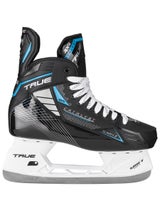 |
True Catalyst 3X4 True · Skates |
$149.97 | Check Price → |
 |
True Hzrdus FuryX4 True · Sticks |
$64.97 | Check Price → |
 |
Winnwell Q5 Winnwell · Shin Guards |
$49.99 | Check Price → |
 |
Winnwell Q5 Winnwell · Shoulder Pads |
$59.99 | Check Price → |
 |
Sherwood T70 SE Sherwood · Pants |
$59.99 | Check Price → |
Final Thoughts
Having the right equipment properly fitted makes a huge difference in your comfort, safety, and performance. The initial investment can seem intimidating, but here's the thing — you don't need top-tier gear to start, used equipment works great for most protective pieces, and your gear will last years with proper care.
Invest in quality skates and a good helmet. Comfort and fit matter more than brand names. Start with the essentials, ensure proper fit, and upgrade pieces as you progress. Your body will thank you, and you'll enjoy the game a whole lot more when you're comfortable and protected.
For information on budgeting and buying strategies, check out my Hockey Gear Buying Strategy Guide. For getting started with the sport, check out my Adult Hockey Getting Started Guide.