
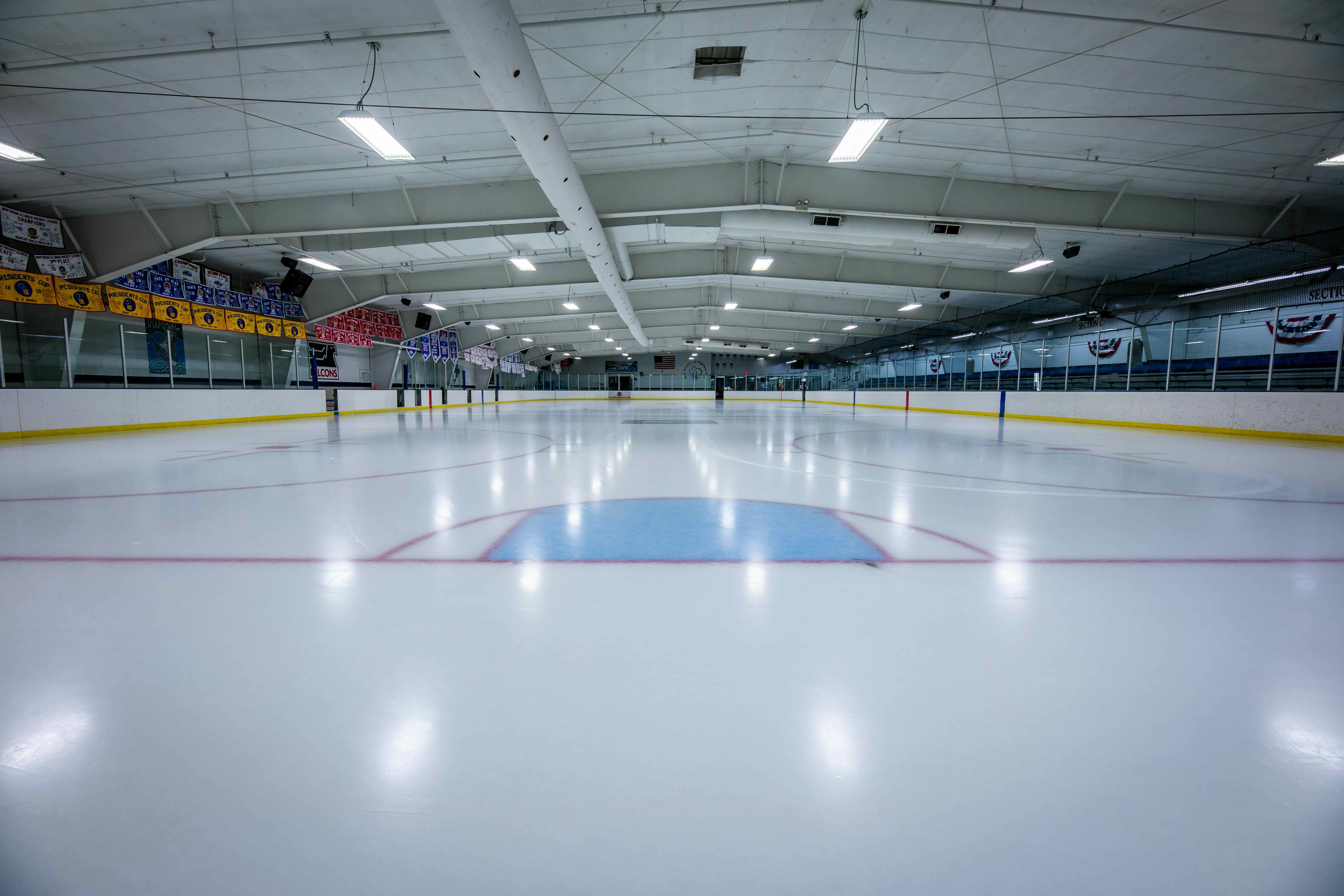
Understanding Offsides and Icing - Hockey Rules for Beginners
March 4, 2026
getting-started strategyOffsides and icing are the two rules that confuse every single beginner -- and honestly, some people play for years without fully understanding them. I spent my first few games just trying not to be the person who caused the whistle. Here's a clear breakdown so you can avoid that feeling.
What Is Offsides?
Offsides exists to prevent someone from just camping out by the other team's net waiting for a long pass. Without it, hockey would basically be a game of cherry-picking.
The Basic Rule
The simple version: All attacking players must stay behind the puck when entering the offensive zone.
The blue line is the key: - Blue line separates neutral zone from offensive zone - Offensive zone = where you're attacking - Puck must cross blue line before all attacking players - Both skates must be across the line to be offsides
The Specifics
Offsides occurs when: 1. An attacking player crosses the blue line into the offensive zone 2. BEFORE the puck crosses that line 3. Both skates are completely over the line
Example: - Your team is attacking - Player A has the puck at center ice - Player B skates ahead and crosses the blue line - Player A shoots puck across line after Player B is already in zone - Result: Offsides. Play stops.
What Defines "In the Zone"
Both skates matter: - One skate in offensive zone, one in neutral zone = NOT offsides (still onside) - Both skates over the blue line = in the offensive zone - Skate on the line = still in neutral zone (onside)
The position of the skate: - Where your skate is when puck crosses, not where you're going - Can be gliding backward with skate on line = onside
Common Offsides Scenarios
Scenario 1: The Rush
What happens: - Three forwards rushing up ice - Winger gets ahead of puck carrier - Crosses blue line before puck - Both skates cross completely
Result: Offsides
How to avoid: - Wings must stay even with or behind puck - "Drive the net" but time it right - Wait for puck to cross first
Scenario 2: The Pass
What happens: - Player in neutral zone passes to teammate - Teammate is already in offensive zone - Receives pass in zone
Result: Offsides
Why: Teammate entered zone before puck
Scenario 3: The Tag-Up
What happens: - Offsides is called (play hasn't stopped yet) - Offending player skates back across blue line into neutral zone - All attacking players now outside offensive zone - Play continues
Result: Offsides is "waved off" - play continues
This is "tagging up" - getting back onside before whistle
Scenario 4: Delayed Offsides
What happens: - Attacking player is in zone before puck - But doesn't touch puck or engage in play - Other teammates are onside - Offside player tags up (exits zone)
Result: Referee raises arm (delayed offsides) but doesn't blow whistle. If offside player exits, play continues.
Scenario 5: The Clear
What happens: - Your team is defending - Clears puck out of zone - It crosses blue line - All attacking players must clear the zone - Or else offsides when puck re-enters
This is why: Players rush to get out when puck is cleared
What Is Icing?
Icing exists to prevent teams from just launching the puck down the ice every time they're under pressure. Without it, games would be an endless cycle of dump and retrieve.
The Basic Rule
The simple version: You can't shoot the puck from your side of the ice all the way past the opponent's goal line without anyone touching it.
The red center line is the key: - If you shoot puck from your side of red line - And it crosses opponent's goal line (red line at far end) - Without anyone touching it - That's icing
The Specifics
Icing occurs when: 1. Team shoots puck from their defensive zone (behind center red line) 2. Puck crosses opponent's goal line 3. No one from either team touches it first 4. Defending team reaches puck first
NOT icing if: - Shooting team is shorthanded (penalty kill) - no icing - Puck passes through the goal crease - Goalie could have played it - Attacking team touches it first
Hybrid Icing (Most Common Now)
Modern rule: - Race to puck after icing - If defending team clearly ahead, whistle blows immediately - No dangerous race to boards - Safer than old "touch icing"
Result of icing: - Faceoff returns to offending team's defensive zone - Offending team cannot change players - Defensive zone faceoff (bad position)
Common Icing Scenarios
Scenario 1: The Clearance
What happens: - Your team is defending, under pressure - Defenseman shoots puck from your blue line (your zone) - Puck goes all the way down ice - Crosses opponent's goal line - No one touches it
Result: Icing. Faceoff in your zone, you can't change players.
Why it's bad: Tired players stay on, defending zone faceoff
Scenario 2: No Icing on Penalty Kill
What happens: - Your team is shorthanded (penalty) - Clear puck down ice - Would normally be icing
Result: NOT icing - play continues
Why: Allows shorthanded team to relieve pressure legally
Scenario 3: Goalie Plays It
What happens: - Puck shot down ice - Would be icing - But goalie comes out and touches it first
Result: NOT icing - play continues
Why: Goalie chose to play it
Scenario 4: Attacking Team Touches
What happens: - Defending team shoots puck down - Attacking forward touches/plays puck before goal line
Result: NOT icing - play continues
Why: Puck was touched before crossing goal line
Scenario 5: Pass Attempt
What happens: - Player tries to pass to teammate - Misses - Puck goes all the way down
Result: Still icing
Why: Intent doesn't matter - only where puck goes
Why These Rules Exist
Why Offsides Exists
Without offsides: - Forward could camp at opponent's goal - Team shoots puck to them - No defense possible - Game becomes boring dump-and-score
With offsides: - Teams must enter zone together - Passing and puck movement required - Defense has fair chance - More strategic, interesting play
Historical: Offsides has existed since early hockey days to prevent cherry-picking
Why Icing Exists
Without icing: - Losing team just shoots puck away - Constant delay of game - No flow - Boring defensive play
With icing: - Can't just waste time - Must maintain possession or risk bad faceoff - Keeps game moving - Rewards offensive pressure
Penalty kill exception: Shorthanded teams need ability to clear pressure legally
Tags, Wave-Offs, and Other Nuances
Delayed Offsides
When it happens: - Offsides occurs but ref doesn't whistle immediately - Raises arm to signal delayed offsides - Play continues IF offside players don't touch puck
What to do: - Offside players: Get out of zone ASAP - Onside players: Don't touch puck if teammate is offside - Once all players tag up (exit zone), arm goes down
Strategy: Allows team to maintain possession by tagging up quickly
Intentional Offsides
In professional hockey: - Team can deliberately go offsides to get stoppage - Used to get line change when tired - Referee can call penalty if egregious
In beer league: - Rarely called - But don't abuse it
Icing Wave-Offs
Ref can wave off icing if: - Goalie could have easily played it - Puck wasn't shot hard - Defensive player wasn't hustling - Puck went through goal crease
Judgment call by referee
Two-Line Pass (Obsolete in Most Leagues)
Old rule (removed in NHL 2005): - Couldn't pass across two lines (blue line and red line) - Would be offsides
Now: - Can pass from defensive zone to attacking zone - Makes game faster - Most leagues follow NHL rules
Some beer leagues still use it - check your league rules
Tips for Avoiding Offsides
As puck carrier: - Call out "Hold the line!" if your wings are getting ahead of you - Skate hard enough that your wings don't beat you into the zone - Make eye contact before passing across the blue line
As winger: - "Drive the net" is great advice, but watch that blue line - Glide with one skate on the line if you need to wait -- that keeps you onside - Better to be late than offsides. Your teammates will appreciate it
Pro tip: When in doubt, stay back. An offsides whistle kills your team's momentum. Being a half-second late into the zone costs nothing.
Tips for Avoiding Icing
Better options than icing: - Pass to teammate - Skate it out - Rim around boards (shorter distance) - High flip off glass (might not ice)
When icing is okay: - Shorthanded (penalty kill) - Need line change desperately - Under extreme pressure
Communication: - Call "time" if you need change - Teammates know to hold puck - Don't ice it unless necessary
Beginner Mistakes
Offsides Mistakes
Standing at blue line too long: - Waiting for puck - Gets called for lazy offsides - Keep moving, time it better
Not tagging up: - Staying in zone when you're offsides - Causes whistle - Tag up quickly!
Passing when teammate is ahead: - Not checking position - Causes offsides - Look before passing
Icing Mistakes
Icing on breakout: - Panic clearing - Trying weak pass that goes down ice - Results in icing and tired players stuck
Not changing after icing: - Forget you can't change - Try to change, get bench penalty - Remember the rule
Final Thoughts
Offsides and icing seem complicated on paper but they become second nature once you've played a few games. You'll start recognizing the situations before the whistle even blows.
Quick reference:
Offsides: Puck enters zone first. Both skates over the line means you're in the zone. You can tag up if you get caught. It prevents cherry-picking.
Icing: Can't shoot from your side all the way down without anyone touching it. Penalty is a defensive zone faceoff and you can't change players. Exception: penalty kill.
My best advice: Watch hockey games with these rules in mind. You'll see the calls constantly and it'll click way faster than reading about it ever will.
And don't stress about it in your first games. Every single player on the ice has caused an offsides or iced the puck at the worst possible moment. It's part of learning. You'll get it.
See you on the ice.
Related Guides: - Getting Started with Adult Hockey - Learn the game - Playing Your First Shift - Game situations - Understanding Hockey Positions - Positional responsibilities